
Are You Ready?10 Things to Do Before Fall & Winter
A fall home maintenance checklist built the way an inspector walks a property: heating, safety alarms, outdoor faucets, vulnerable pipes, gutters, roof, drafts, hidden moisture, the water heater, and outage readiness — before the first freeze finds them for you.

Before winter arrives, check these 10 things
Fall is one of the best times to find small home problems before colder weather turns them into expensive ones. You don't need to overhaul your entire house. Focus on the systems most affected by falling temperatures, increased heating use, rain, leaves, freezing weather and spending more time indoors.
- Heating system and HVAC filter
- Smoke and carbon monoxide alarms
- Outdoor faucets and garden hoses
- Vulnerable plumbing
- Gutters and downspouts
- Roof and exterior drainage
- Doors and windows for drafts
- Water leaks and hidden moisture
- Water heater
- Emergency and power-outage readiness
The goal isn't perfection. The goal is finding small problems while they are still easier — and usually less expensive — to address.
Most of what follows is observation, not repair. Walk the house the way an inspector would: look, listen, smell, and write down anything that seems different from last year. What you find in October is almost always cheaper to fix than what you discover on the first freezing night in January.
1. Make sure your heating system is ready
Don't wait for the first truly cold night to discover the heat isn't working correctly. Run the system while the weather is still mild and you have time to schedule service if something is wrong.
Before sustained cold weather:
- Test the heating system through a full cycle.
- Confirm warm airflow at supply registers in the rooms you actually use.
- Listen for unusual noises — grinding, screeching, rattling, or repeated short cycling.
- Notice unusual odors, and where they come from.
- Inspect the HVAC filter and note the size printed on its cardboard edge.
- Make sure important supply and return vents aren't unnecessarily blocked by furniture or rugs.
- Review previous maintenance and any problems you noticed last winter.
- Address known problems now rather than during the first cold snap.
Some dust-related odor is common when heating equipment is first activated after sitting unused all summer, and it usually fades within a short period of operation. A persistent burning odor, an electrical smell, a gas-like odor, or anything that keeps returning is a different situation and deserves attention rather than patience.
- If you smell gas, leave the area first and call your gas utility or emergency service from outside.
- Combustion components, heat exchangers, burners, flue and venting concerns belong to a licensed HVAC professional.
- Do not open sealed equipment panels or bypass safety switches to keep a system running.
Never bypass a condensate safety switch or dismantle sealed HVAC components. When in doubt, a qualified HVAC professional should make the call.
A dirty filter is one of the few things on this list a homeowner can usually address in a few minutes. Because a filter has to seal correctly to do anything at all, always verify filter dimensions and equipment requirements before ordering an HVAC air filter. The size printed on your current filter is the number that matters — not the size that looks close.
Affiliate disclosure: Sentinel Home may earn a commission from qualifying purchases at no additional cost to you. Affiliate relationships do not determine Sentinel recommendations or product rankings.
For the longer version of this walkthrough, see the Fall HVAC Maintenance Checklist.
2. Test smoke and carbon monoxide alarms
Heating season increases the use of furnaces, fireplaces, space heaters and other heating equipment. That makes this the single most important item on the list, and the least expensive.
- Test each alarm according to the manufacturer's instructions.
- Verify placement — alarms belong on every level and near sleeping areas, following the manufacturer's and local requirements.
- Check battery status, including in units with sealed batteries.
- Replace batteries when appropriate for the device.
- Check the manufacture and replacement dates printed on the back of each unit.
- Replace alarms that have reached end of life.
Changing a battery does not make an expired alarm current. Alarm sensors have a service life, and a unit past its replacement date should be replaced even if it still chirps when tested.
If your home has no carbon monoxide protection, or a unit that has aged out, a carbon monoxide alarm is worth handling before heating season rather than after. Keep a supply of the correct replacement batteries on hand as well, matched to what each device requires.
Not sure this is what's happening in your home?
Homeowners often arrive with one symptom and find the cause somewhere else entirely. Start from what you're actually noticing and Sentinel will point you to the right guide.
Educational guidance only — nothing to buy at this step.
3. Protect outdoor faucets before freezing weather
Exterior hose bibs are one of the most common sources of winter water damage, and one of the easiest to address in advance.
- Disconnect garden hoses from every exterior faucet.
- Inspect each hose bib for dripping or weeping after the hose is removed.
- Drain hoses and store them where they won't hold water.
- Identify whether each faucet is frost-free or a traditional installation.
- Understand whether an interior shutoff exists for that line, and where it is.
- Drain vulnerable sections where the installation allows it.
Leaving a garden hose attached can contribute to freeze-related problems in some installations, because water trapped between the hose and the valve has nowhere to go when it expands. Removing the hose is free and takes a minute per faucet.
For exposed hose bibs in colder conditions, an insulated outdoor faucet cover can provide an additional layer of protection. A cover reduces exposure; it does not make plumbing freeze-proof, and it is not a substitute for disconnecting the hose or draining the line where that applies.
4. Identify pipes most vulnerable to freezing
Before the first hard freeze, walk the house and note where water lines run through spaces that aren't heated. Knowing the answer in advance is what lets you act quickly during a cold snap.
Pay particular attention to pipes:
- Along exterior walls
- In crawlspaces
- In garages
- In unconditioned spaces such as attics and unfinished basements
- Near foundation vents
- In poorly insulated locations, including under cabinets on exterior walls
Where appropriate, properly sized foam pipe insulation can help reduce heat loss from exposed plumbing. Insulation slows heat loss — it does not add heat, and it does not guarantee freeze prevention. It works best as one part of a broader strategy that also includes sealing cold-air paths, keeping unconditioned spaces from dropping to outdoor temperature, and knowing where your shutoffs are.
5. Clear gutters and check where the water goes
Fall leaves interfere with roof drainage, and roof drainage is what keeps water away from your walls and foundation.
- Remove accumulated debris from gutters and gutter outlets.
- Inspect downspouts for blockages — a downspout that stays dry during rain is usually clogged.
- Watch a section during rainfall for overflowing.
- Look for sagging, separated, or pulling-away gutter sections.
- Evaluate where downspouts actually discharge.
- Watch for pooling near the foundation and erosion channels in soil or mulch.
- Do not access a roof or work from a ladder you are not confident and equipped to use safely.
- Never work at height alone, on wet surfaces, or near electrical service lines.
- If the gutters cannot be serviced safely from the ground or a stable ladder, hire a gutter or roofing professional.
Never bypass a condensate safety switch or dismantle sealed HVAC components. When in doubt, a qualified HVAC professional should make the call.
Much of this can be done from the ground. A gutter cleaning attachment that extends from a hose lets many homeowners clear light debris without climbing at all, which is the point — the safest tool is the one that keeps you on the ground.
6. Look for signs water is getting into the house
From safe locations — the ground, a window, a stable ladder — look for:
- Visible roof damage after summer storms
- Damaged, lifted, curling, or missing roofing components
- Flashing concerns at walls, chimneys, and valleys
- Staining on soffits, fascia, or exterior walls
- Water marks around roof penetrations such as vents and pipe boots
- Ceiling stains inside the house, especially on upper floors
- Attic moisture, staining, or matted insulation where the attic is safely accessible
- Gaps at siding and window transitions
- Drainage issues where roof water lands
- Do not climb onto a wet, steep, damaged, icy, or otherwise unsafe roof.
- Do not walk an attic without secure footing and adequate light.
- Suspected structural or active roof leaks belong to a licensed roofing professional.
Never bypass a condensate safety switch or dismantle sealed HVAC components. When in doubt, a qualified HVAC professional should make the call.
If you find a stain and aren't sure what caused it, the source matters more than the stain. Water Stain on Ceiling? How to Tell if It's a Roof Leak, Plumbing Leak, or HVAC Problem walks through how to tell the three apart.
Ready to take the next step?
Sentinel keeps a short, considered list of options for this exact problem — with what each one is for, and when you probably don't need it.
Buying nothing is a valid outcome. Many of these steps cost nothing at all.
7. Check doors and windows for drafts
On a windy day, walk the perimeter of the house from the inside and check the openings that separate conditioned space from outdoor air.
- Exterior doors, including the door between the garage and the house
- Windows, particularly older units and those on the weather side of the home
- Attic access hatches and pull-down stairs
- Penetrations for cables, pipes, dryer vents, and exterior fixtures
- Damaged, compressed, or missing seals and sweeps
- Visible gaps where daylight is present around a closed door
Where a seal has failed, door and window weatherstripping is the usual correction. The appropriate product depends on the specific opening, the gap you are closing, and how the door or window moves — a compression seal, a sweep, and a v-strip are not interchangeable, so measure before buying.
Never block intentional ventilation. Combustion air openings, dryer vents, attic and crawlspace vents, and bath or kitchen exhaust exist for a reason, and closing them can create moisture or safety problems that are worse than a draft.
8. Look for hidden moisture before winter
Colder weather means more time indoors, more condensation, and less chance of noticing a slow leak outside. Take ten minutes and look at the places moisture actually shows up:
- Ceilings, especially below bathrooms and below the roof line
- Under kitchen and bathroom sinks
- Around the base of every toilet
- Tub and shower surrounds, including grout and caulk joints
- Basement walls, floors, and corners
- Crawlspace, where safely accessible
- Around and beneath the water heater
- The washing machine and its supply hoses
- Around HVAC equipment and condensate lines
- Window sills and frames
- Any location that has leaked before
If you're monitoring a suspicious stain or area, a pinless moisture meter can help compare relative moisture patterns without immediately putting holes into the surface. It shows you where a material reads wetter than the area around it. It does not identify the source of a leak — that still takes observation and, sometimes, a professional.
Two guides pair well with this section: Water Stain on Ceiling? and Where Should You Put Water Leak Detectors?.
9. Give your water heater a quick inspection
This is a visual seasonal inspection, not a service call. Bring a flashlight and look around the unit.
- Water or staining around the base
- Corrosion on the tank jacket, fittings, or connections
- Mineral deposits at connections or on the T&P discharge pipe
- Moisture around supply and connection points
- Drain-valve dripping or a valve that will not fully close
- Unusual noises — rumbling or popping often indicates sediment
- Maintenance history: when it was last flushed or inspected, and its approximate age
Don't drain the tank or manipulate valves simply because the season changed. Do those tasks on their own schedule, for their own reasons. If you find water, start with Water Heater Leaking From Bottom? 7 Causes and What to Do Right Now. If it is simply overdue for maintenance, see How to Flush a Water Heater.
Because water heaters usually fail quietly, a water leak detector placed at the base of the tank is one of the few devices that tells you about a problem before the flooring does.
10. Prepare for a winter power outage before you need to
Winter outages tend to arrive with the weather that makes them hard to prepare for. Handle this part on a calm afternoon.
- Confirm flashlights work, and keep one where you can find it in the dark.
- Keep fresh batteries in the sizes your devices actually use.
- Charge portable power banks and check them periodically.
- Know where your main water shutoff, gas shutoff, and electrical panel are.
- Keep basic emergency supplies: water, food that needs no cooking, blankets, first aid.
- Learn how to operate your garage door manually, and practice once.
- Keep important home information — equipment models, service contacts, insurance details — somewhere you can reach without power.
- Never operate a portable generator indoors, in a garage, in a basement, in a crawlspace, or in any enclosed or partially enclosed space — even with doors or windows open.
- Operate a generator outdoors only, well away from the house and away from doors, windows, and vents, following the manufacturer's stated clearances.
- Carbon monoxide from a generator is odorless and can be fatal; working CO alarms are essential whenever a generator is in use.
- Never plug a generator into household wiring without a transfer switch installed by a licensed electrician.
- Refuel only when the unit is off and cool, and keep fuel stored away from living space.
Never bypass a condensate safety switch or dismantle sealed HVAC components. When in doubt, a qualified HVAC professional should make the call.
For lighting, an LED emergency flashlight in a known location beats a phone screen, and a charged portable power bank keeps a phone usable long enough to reach a utility or a contractor.
- Test the heat
- Check HVAC filter
- Test smoke/CO alarms
- Disconnect garden hoses
- Inspect exposed plumbing
- Check gutters/downspouts
- Look for roof warning signs
- Check doors/windows for drafts
- Inspect ceilings for stains
- Look under sinks
- Inspect around water heater
- Check washing-machine area
- Look around HVAC equipment for moisture
- Verify flashlights work
- Photograph anything questionable
What Sentinel would do
- 1
Do now
Test heating, check safety alarms, disconnect hoses, inspect drainage and look for existing moisture.
- 2
Before cold weather
Protect vulnerable plumbing, correct drafts where appropriate and address known HVAC, roof, plumbing or drainage issues.
- 3
Don't ignore
Active leaks, persistent moisture, electrical concerns, combustion or gas concerns, roof damage, repeated HVAC problems, or plumbing vulnerable to freezing.
- 4
Get professional help
When inspection reveals a problem requiring specialized HVAC, plumbing, electrical or roofing work.
- 5
Track it
Save equipment, maintenance and repairs in Sentinel so future decisions start with the home's actual history.
Fall is an excellent time to photograph the major systems around your home before problems occur. Photograph HVAC equipment labels, the water heater, the exterior of the electrical panel, roof and exterior conditions from safe locations, major plumbing equipment, previous leak areas, and major appliances.
Save manufacturer and model information, maintenance records, warranties and repair history in Sentinel where supported. When something fails later, having this information already documented can make diagnosis and repair decisions much easier.
Keep this in your home's record
Sentinel Home holds the details of each system in one place — equipment information, manuals, maintenance history, and what to check next season — so the next time this comes up, the answer is already there.
Sentinel Home is preparing for launch. Early access is free to join.
What should a professional check?
Not every homeowner needs seasonal service from four different contractors. Professional help becomes appropriate when your inspection identifies an actual concern.
- A heating problem, repeated short cycling, or any combustion or venting concern — licensed HVAC professional.
- An active plumbing leak, or vulnerable piping in a space you cannot safely reach — licensed plumber.
- Roof damage, suspected active roof leaks, or unsafe roof access — licensed roofing professional.
- Any electrical or safety concern, including generator connection to household wiring — qualified electrician.
When you do call, bring what you found: where the moisture is, when the noise started, what the equipment label says. A specific observation shortens the diagnosis, and a shorter diagnosis usually costs less.
Frequently asked questions
When should I do fall home maintenance?
Early fall, while the weather is still mild. Testing the heat and checking outdoor faucets before the first freeze leaves time to schedule service or make a correction without working in cold weather or during an emergency.
What is the most important fall maintenance task?
Testing smoke and carbon monoxide alarms. Heating season increases the use of furnaces, fireplaces and heating equipment, and alarms are both the least expensive item on the list and the one that protects people rather than property.
Do I need to cover outdoor faucets to prevent frozen pipes?
Disconnecting garden hoses matters most, because trapped water between a hose and the valve has nowhere to expand. An insulated faucet cover adds protection for exposed hose bibs, but it reduces exposure rather than making plumbing freeze-proof.
Does pipe insulation prevent pipes from freezing?
No. Insulation slows heat loss but does not add heat, so it works as part of a broader strategy that also includes sealing cold-air paths into unconditioned spaces and knowing where your shutoffs are before a hard freeze.
Should I have my furnace serviced every fall?
Follow your manufacturer's guidance and your system's history. Professional service is clearly warranted when you notice a heating problem, unusual noises, persistent odors, repeated short cycling, or any combustion or venting concern.
Is a burning smell normal when heat is first turned on?
A dust-related odor is common when heating equipment runs for the first time after sitting unused, and it usually fades quickly. A persistent burning smell, an electrical odor, or a gas-like odor is not normal and should be evaluated — and if you smell gas, leave the area first and call your gas utility from outside.
Sentinel Homeowner Essentials
Helpful products commonly used by homeowners and professionals.
Homeowners performing this maintenance commonly use the following tools.
Spending $25–$75 today on preventive maintenance can often help homeowners avoid repairs that cost hundreds or even thousands of dollars later. Sentinel Home recommends products that support long-term home protection — not impulse purchases.

First Alert SMCO210 10-Year Smoke & CO Alarm
Recommended for any home that starts running a furnace, boiler, or fireplace this season.

Frost King Insulated Outdoor Faucet Cover
Helpful if outdoor faucets are exposed to freezing temperatures.
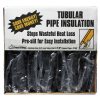
Frost King 5S10XB6 Foam Tubular Pipe Insulation, 6 ft
Useful on pipes in garages, crawlspaces, and exterior walls.

Telescoping Pressure Washer Gutter Cleaning Extension Wand
May simplify clearing gutters from the ground after leaves drop.

Govee Water Leak Detector
Helpful near the water heater, sump, or laundry before winter.

LE LED Flashlight
Recommended to keep in a known spot for winter power outages.
If you're looking for the tools, parts, or maintenance products mentioned in this guide, visit the Sentinel Solutions Center. We only recommend products that we believe are genuinely helpful for homeowners and professionals.
Sentinel guidance is written in-house and grounded in public-safety and government technical references.
Make this part of your home's permanent record
Seasonal checks are far more useful when last year's notes are still there. Sentinel Home helps homeowners keep equipment details, manuals, maintenance history, repairs, warranty information and replacement planning in one place, so each fall walkaround starts with what you already know.
Sentinel Home is in early access. Join the list to be notified when you can add your equipment to your home record.
Is your home ready?
You don't have to predict every problem winter might bring. Start by checking the systems most affected by colder weather, address the warning signs you find, and keep a record of what you've inspected.
Sentinel Home helps homeowners understand their equipment, organize maintenance, diagnose problems and make smarter repair decisions when something changes.
Ask Sentinel AI about your home.
Ask Sentinel AI for personalized guidance based on your home's systems, equipment, maintenance history, and repair needs.