
AC Condensate Drain Clogged? What Homeowners Should Do Before Water Damage Starts
A clogged air-conditioning condensate drain can turn a small maintenance issue into ceiling, flooring, drywall, or equipment damage. Learn the warning signs, what you can safely check yourself, and when it's time to call an HVAC professional.
A printable homeowner reference you can keep with your home records.
An air conditioner removes moisture from indoor air while it operates. That water normally drains away through the condensate system. Dirt, biological buildup, debris, drainage problems, or other obstructions can restrict that line.
Possible warning signs include:
- Water around the indoor HVAC unit
- Water in the emergency drain pan
- The AC unexpectedly shutting off
- Musty odors near the equipment
- Unexplained moisture around ceilings or closets near HVAC equipment
- Visible water backing up near the condensate drain
- Increasing indoor humidity
Water around HVAC equipment should not be ignored. Determine where it is coming from before assuming the condensate line is the cause — several unrelated problems produce the same puddle.
Why your AC produces water
Cooling and dehumidifying happen at the same time. The evaporator coil becomes cold while the air conditioner operates. Warm, humid household air passes across that cold coil, and moisture in the air condenses on it — the same way a glass of ice water sweats in August.
That water runs off the coil into the condensate pan and normally exits the house through the condensate drain line. On a humid day, a working system can move a meaningful volume of water this way, all day long, without you noticing.
- Indoor humidity
- Evaporator coil
- Condensation
- Drain pan
- Condensate line
- Drain
Every step in that path has to stay open. When the last steps restrict, the water has nowhere to go but up and out.
What causes a condensate drain to clog?
Biological buildup
Condensate lines stay wet for months at a time. Damp, dark surfaces are hospitable to biological growth, and that growth gradually narrows the passage water needs.
Dust and debris
Fine dust that gets past the filter lands on a wet coil and washes into the pan, where it becomes sludge. Insulation fibers, insects, and construction dust contribute the same way.
Drain-line configuration or drainage problems
A line needs continuous fall, appropriate sizing, and a termination point that can accept the water. A flat run, a sagging section, or a poor termination will collect material even in a clean home.
Dirty HVAC conditions
A loaded filter, a dirty blower compartment, or a fouled coil all put more material into the water stream. Clean equipment produces cleaner condensate.
Algae and slime accumulation in wet environments
In warm, humid spaces — attics and crawlspaces especially — slime accumulation is one of the most common reasons an otherwise healthy system starts backing up.
Long periods of heavy AC operation
Humid climates and long cooling seasons place substantial demand on condensate systems. More run time means more water moved, and more opportunity for material to settle. Homes in the humid South commonly need more attention here than homes in dry climates.
Not sure this is what's happening in your home?
Homeowners often arrive with one symptom and find the cause somewhere else entirely. Start from what you're actually noticing and Sentinel will point you to the right guide.
Educational guidance only — nothing to buy at this step.
7 signs your AC condensate drain may be clogged
- Water around the indoor air handler
- Water accumulating in the auxiliary or emergency drain pan
- The AC unexpectedly shuts off
- The float switch has activated
- A musty or damp odor near the HVAC equipment
- Visible standing water where it normally should drain away
- New moisture staining around nearby ceilings, walls, or flooring
Not every sign carries the same weight. Use the situation in front of you, not the worst case, to decide how quickly to act.
Slow drainage without water around the equipment. Worth noting and worth mentioning at your next service visit.
Water accumulating in the drain pan. The system is telling you the water is not leaving as designed.
Water entering ceilings, drywall, flooring, or electrical areas. This is where property damage happens — get professional help.
Water near your AC doesn't always mean a clogged drain
This is the part most articles skip. A clogged condensate line is a common explanation for water near an indoor unit, but it is not the only one. Other causes include:
- A frozen evaporator coil that melts and overwhelms the pan
- A cracked, rusted, or misaligned drain pan
- A failed or unplugged condensate pump
- Improper drainage — slope, sizing, or termination
- Plumbing leaks that happen to be near the HVAC equipment
- Excessive condensation on poorly insulated lines or ductwork
- Other HVAC problems, including airflow and refrigerant issues
Persistent or unexplained water should be properly diagnosed rather than assumed. Clearing a drain that was never the problem leaves the actual cause running.
Before calling an HVAC technician
These are visual, low-risk checks. None of them require opening sealed components or working near live electrical connections.
- 1
Locate the indoor HVAC equipment
Find the air handler or furnace — commonly in a closet, basement, garage, or attic. This is where condensate is produced and where a drainage problem shows up first.
- 2
Look for visible water
Check the floor around the unit, the platform it sits on, and the drain pan beneath it. Note whether the water is fresh, or a dried stain from an earlier event.
- 3
Check the float switch
Many systems use a safety switch that shuts down cooling when water rises in the pan or drain line. If yours has one and it has tripped, that is useful information for your technician. Do not bypass, jumper, or disable it — it is protecting your home.
- 4
Locate the condensate drain
Look for a small PVC or flexible line leaving the equipment, often with an accessible opening or cap, and follow it to where it terminates — a drain, a pump, or outdoors.
- 5
Check for obvious drainage problems
At the termination point, look for standing water, an obviously blocked opening, a disconnected line, or a line that has been crushed or kinked. Visual inspection only.
- 6
Protect surrounding materials
If water is actively leaking, and it is safe to do so, turn the cooling off at the thermostat, contain the water, and move belongings clear. Then contact an HVAC professional rather than continuing to run the system.
- Water is near electrical equipment
- Water is entering ceilings or walls
- The source of the water cannot be identified
- The evaporator coil appears frozen
- The drain repeatedly clogs
- The condensate pump is malfunctioning
- The system repeatedly shuts itself down
- Significant water damage has already occurred
- You are uncomfortable accessing the equipment
Never bypass a condensate safety switch or dismantle sealed HVAC components. When in doubt, a qualified HVAC professional should make the call.
How professionals address the problem
Professional service is often the right answer here, and it buys more than a cleared line. A technician typically:
- Inspects the full condensate system, from pan to termination
- Clears restrictions with proper tools and containment
- Inspects drain pans for corrosion, cracks, and alignment
- Tests float and safety switches
- Checks condensate pump operation where one is used
- Inspects evaporator coil condition and airflow
- Determines why the clog occurred rather than only that it did
- Identifies recurring drainage problems that need correction
That last point is the difference between a repair and a fix. A drain that clogs every season is usually telling you something about the design or the condition of the equipment.
Ready to take the next step?
Sentinel keeps a short, considered list of options for this exact problem — with what each one is for, and when you probably don't need it.
Buying nothing is a valid outcome. Many of these steps cost nothing at all.
How to reduce the chance of another clogged AC drain
- Keep routine professional HVAC maintenance on the calendar, and have the condensate system included
- Maintain the filter on a schedule appropriate to your home — less material in the air stream means less sludge in the pan
- Do a periodic visual inspection of the condensate area during cooling season
- Watch for water around the air handler, especially after long stretches of heavy cooling
- Monitor indoor humidity; a system that suddenly struggles to dehumidify is worth investigating
- Use leak detection where the equipment sits above finished space or somewhere you rarely visit
- Have recurring drain problems professionally evaluated instead of repeatedly cleared
Prevention specifics vary by system design and manufacturer requirements. Your equipment documentation and your technician's guidance take precedence over any general checklist — including this one.
Note the date of every condensate inspection and service somewhere you will find it again. Two dated entries turn a vague "I think this happened before" into a pattern a technician can act on.
Keep this in your home's record
Sentinel Home holds the details of each system in one place — equipment information, manuals, maintenance history, and what to check next season — so the next time this comes up, the answer is already there.
Sentinel Home is preparing for launch. Early access is free to join.
Save this guide
The printable version condenses everything above into a one-page homeowner reference: what the condensate drain does, the seven warning signs, safe checks, when to call a professional, a prevention checklist, and space to record your HVAC information and service dates.
AC Condensate Drain Clogged — Sentinel Home Guide (PDF, printable)
Helpful Tools for Preventing Water Damage
A short list, not a shopping list. Each of these solves one specific problem discussed above.

Govee Water Leak Detector
- Solves
- Gives you early notification when water appears near the indoor HVAC equipment, instead of after it reaches a ceiling or floor.
- Useful for
- Homeowners with an air handler in an attic, closet, or finished basement where a slow overflow can go unseen for days.
- You may not need it when
- Your equipment sits over a floor drain in an unfinished space you walk past regularly.
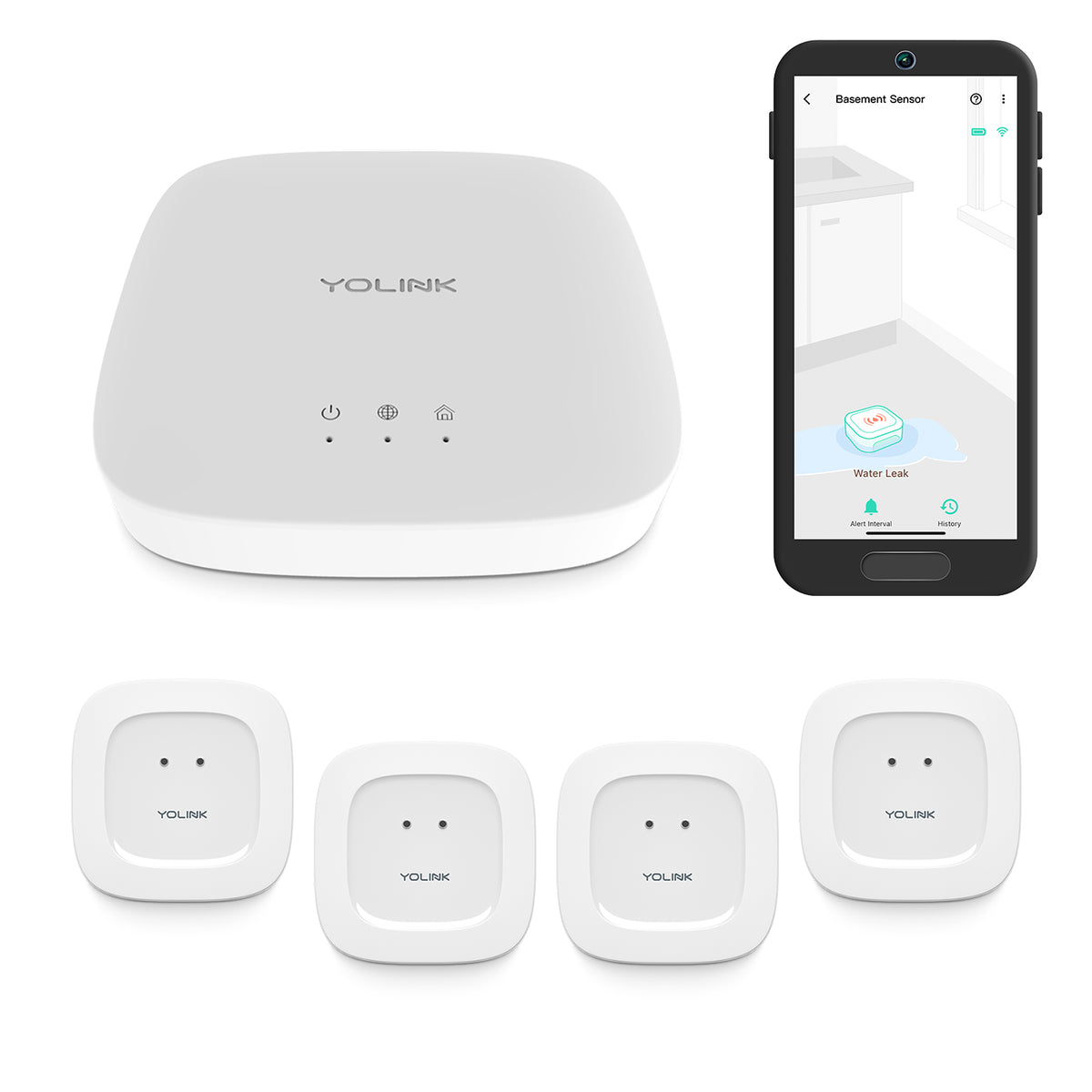
YoLink Smart Water Leak Sensor
- Solves
- Sends alerts to your phone when moisture is detected, which matters when the equipment is somewhere you rarely visit.
- Useful for
- Second homes, rentals, and anyone who travels during cooling season.
- You may not need it when
- You do not have reliable connectivity where the equipment lives, or a local audible alarm is enough.
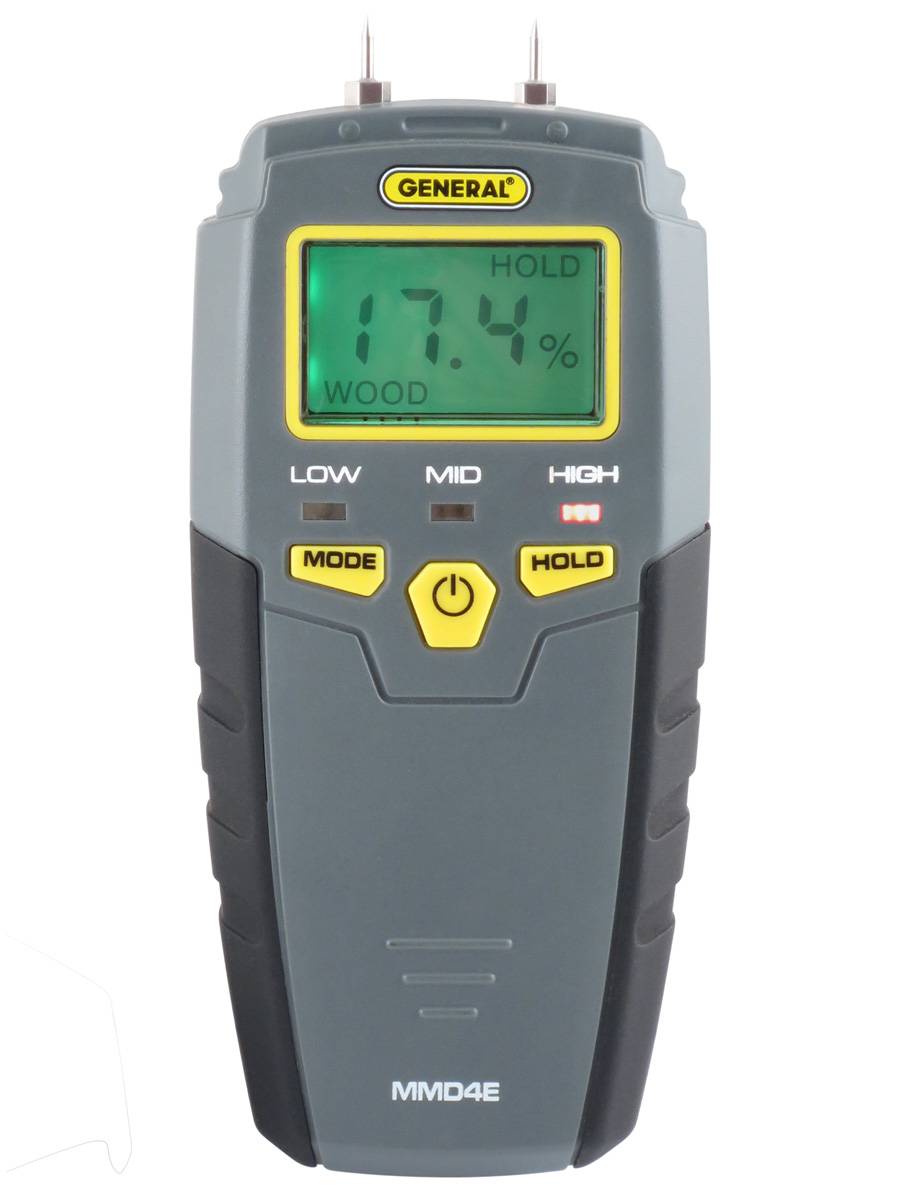
General Tools Moisture Meter
- Solves
- Helps you check whether drywall, trim, or flooring near the equipment actually absorbed moisture after a suspected overflow.
- Useful for
- Homeowners deciding whether a stain is old and dry or an active problem worth a service call.
- You may not need it when
- There is visible standing water — that already answers the question and needs attention now.
If the system is draining normally, there is no evidence of water accumulation, and you are simply performing a routine inspection, purchasing additional products may not be necessary.
Sentinel Home recommends products because they solve a real homeowner problem — not because they generate a commission.
Frequently asked questions
Why does my AC condensate drain keep clogging?
Condensate lines stay damp all cooling season, and damp surfaces collect biological growth, dust, and debris. Recurring clogs often point to something structural as well — line slope, sizing, a poorly placed trap, or a drain that terminates somewhere it cannot flow freely. A drain that clogs repeatedly should be evaluated by an HVAC professional rather than cleared again and again.
Can a clogged AC drain cause water damage?
Yes. When the primary drain restricts, condensate backs up into the drain pan and can overflow onto whatever is beneath the equipment — ceilings, drywall, insulation, subfloor, or finished flooring. Because the water arrives slowly, the damage is often discovered as a stain or a soft spot rather than as a puddle.
Why did my AC suddenly shut off?
Many systems include a condensate safety switch that interrupts cooling when water rises in the pan or drain. An unexplained shutdown during hot, humid weather is a common symptom of a drainage problem — though it can also come from thermostat, electrical, refrigerant, or airflow issues, so the shutdown alone does not confirm the cause.
Should there be water in my AC drain pan?
A small amount of moisture in the primary pan while the system runs is normal, because that is where condensate collects before it drains. Standing water that does not disappear, or any water in the secondary or emergency pan, means the water is not leaving the way it should.
Can I unclog an AC condensate line myself?
Some homeowners handle simple, low-risk steps such as clearing visible debris from an accessible drain opening. Anything beyond that — opening equipment panels, pressurizing lines, working near electrical components, or servicing a condensate pump — is professional work. If the line is not clearly accessible, or water is near electrical equipment, stop and call an HVAC professional.
How often should an AC condensate drain be inspected?
A quick visual check of the equipment area during cooling season, plus inspection as part of routine professional HVAC maintenance, suits most homes. Humid climates and long cooling seasons put more demand on the condensate system, so more frequent checks can be appropriate there. Follow your manufacturer's maintenance requirements.
Where should I put a water leak detector near my HVAC?
On the floor beside the indoor unit at the lowest point where water would collect, and in the secondary or emergency drain pan if your equipment has one. Keep sensors away from electrical connections and follow the sensor manufacturer's placement instructions.
Sentinel Homeowner Essentials
Helpful products commonly used by homeowners and professionals.
Homeowners performing this maintenance commonly use the following tools.
Spending $25–$75 today on preventive maintenance can often help homeowners avoid repairs that cost hundreds or even thousands of dollars later. Sentinel Home recommends products that support long-term home protection — not impulse purchases.
Govee Water Leak Detector
Helpful if your air handler sits in an attic or closet where an overflow could go unnoticed.
YoLink Smart Water Leak Sensor
Recommended when you want a phone alert from a drain pan you rarely see.
General Tools Moisture Meter
Useful for checking whether drywall or flooring near the unit is still holding moisture.

Shop-Vac 5989300 5-Gallon 4.5 Peak HP Stainless Wet/Dry Vacuum
Professionals commonly use a wet/dry vacuum at the outdoor drain end to clear a clogged line.
Little Giant Automatic Condensate Removal Pump
Helpful if your indoor unit sits below the drain and relies on a pump to move condensate.
If you're looking for the tools, parts, or maintenance products mentioned in this guide, visit the Sentinel Solutions Center. We only recommend products that we believe are genuinely helpful for homeowners and professionals.
Sentinel guidance is written in-house and grounded in public-safety and government technical references.
Not sure what you're looking at?
Take a photo of your HVAC equipment and ask Sentinel. Sentinel can help you understand what you're looking at and identify useful next steps — it does not replace a professional diagnosis.
- Photograph the air handler and the area where water is appearing
- Photograph the drain line, drain pan, and equipment label
- Understand which component you are actually looking at
- See what is reasonable to check yourself
- Recognize when the situation calls for an HVAC professional
Ask Sentinel AI is coming soon. Join early access to be notified when photo-based home-system guidance becomes available.
Make this part of your home's permanent record
Sentinel Home helps homeowners keep the details of each system in one place — equipment and model information, manuals, maintenance and repair history, replacement planning, and Home Health information — so the next question about your HVAC system is easier to answer than this one was.
Sentinel Home is in early access. Join the list to be notified when you can add your equipment to your home record.
Smart Capture
Record equipment details in seconds.
Asset Vault
Every system, manual, and warranty in one place.
Repair Guide
Understand the problem before you call anyone.
Maintenance Reminders
Well-timed prompts for seasonal work.
Replacement Forecast
See what is coming before it fails.
Home Health Score
One number for the state of your home.