
How to Prevent Frozen Pipes9 Things to Do Before Temperatures Drop
Freeze risk is mostly about location. Here is how to find the plumbing most likely to freeze in your own home, what to do before the first hard freeze, and what to do if a pipe may already be frozen.
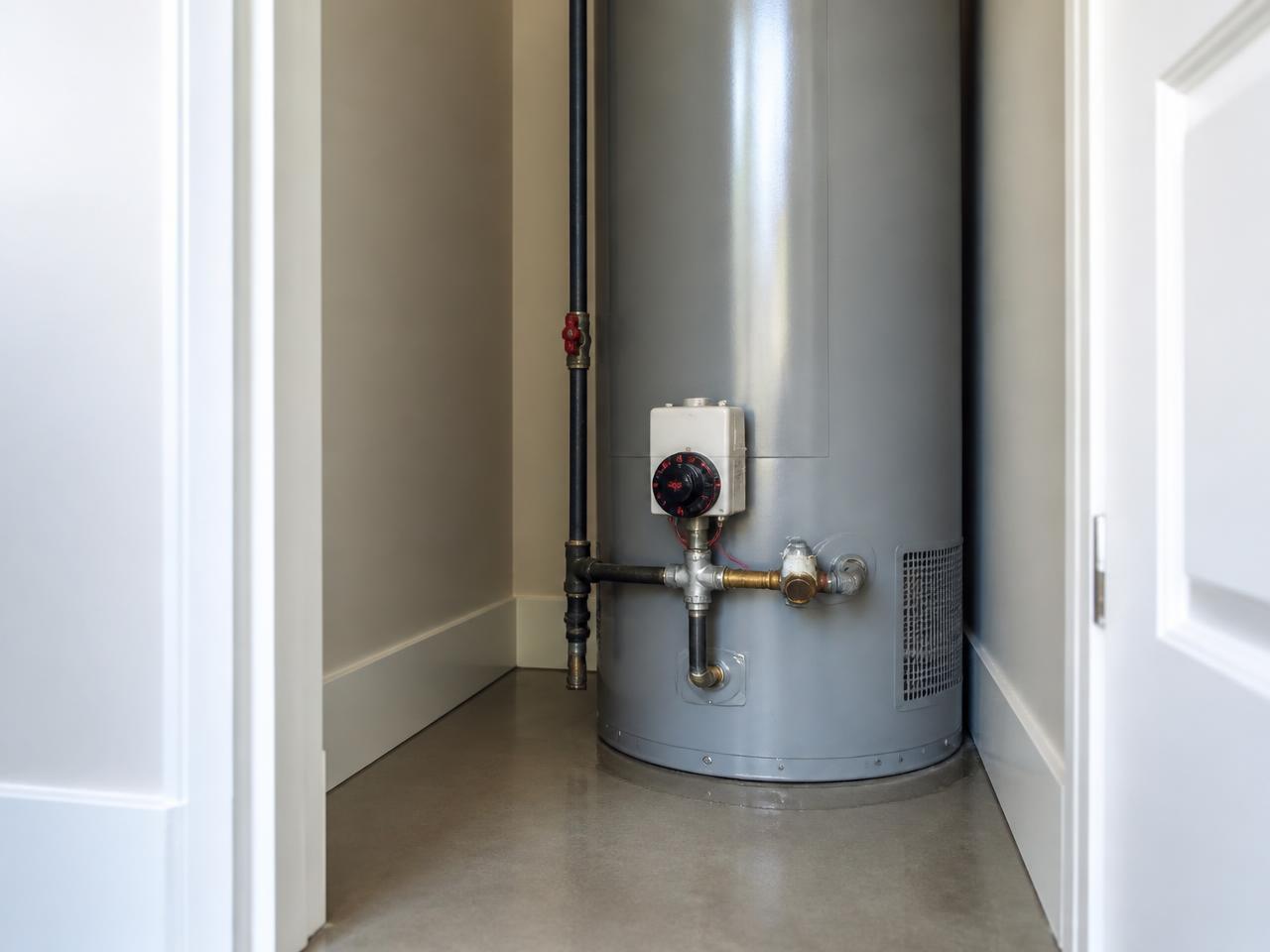
Protect the pipes that see the cold first
The pipes most likely to freeze are generally the ones exposed to colder temperatures or moving cold air — plumbing in crawl spaces, garages, attics, exterior walls, sink cabinets, and other poorly insulated or unheated areas.
Before freezing weather arrives, disconnect outdoor hoses, identify the vulnerable plumbing in your own home, protect exposed pipes where it makes sense, reduce cold-air exposure, and know where your main water shutoff is.
If a faucet suddenly produces little or no water during freezing weather, do not assume it is harmless. A frozen pipe often becomes more obvious — and can begin leaking — as it thaws.
Is this an emergency?
Water is actively escaping. Shut off the home's main water supply if you can reach it safely, stay away from anything electrical near the water, and contact a plumbing professional.
A fixture has little or no flow during freezing weather. A pipe may be frozen. Keep reading before you do anything to it, and be ready to shut the water off.
Nothing is wrong yet and cold weather is coming. This is the right time to work through the nine steps below.
Shut off the main water supply if it is safe and accessible. Do not stand in water near electrical panels, outlets, or equipment. Contact an appropriate plumbing professional, and your utility or emergency services if the situation involves electrical or structural risk.
If a pipe appears frozen but has not burst, continue with the safe guidance below rather than trying to force it open.
Where are your pipes most vulnerable?
Freeze risk is mostly about location. Walk your home once and note where plumbing leaves the heated, insulated part of the house.
| Location | Why it is vulnerable |
|---|---|
| Outdoor faucet / hose bib | Direct exterior exposure, often with a hose still attached |
| Garage | Cold, unconditioned space, and the door is opened repeatedly |
| Crawl space | Exposed or lightly insulated plumbing with outside air moving through vents |
| Attic | Unconditioned space above the insulation line |
| Under a sink on an exterior wall | Cabinet blocks warm room air from reaching the pipes |
| Basement | Depends on whether it is heated and how well the rim joist is sealed |
| Not sure | Ask Sentinel — describe the space and what plumbing runs through it |
Two identical houses can have very different freeze risk depending on how the plumbing was routed. Your own walkthrough is worth more than any general rule.
2. Know where your main water shutoff is
The single most useful thing you can learn before winter is how to stop the water. When a pipe fails, minutes matter, and a burst pipe is not the moment to start searching.
- Find the main shutoff — often near where the water line enters the house, in a basement, crawl space, utility area, or near the water meter.
- Confirm the handle or lever actually turns. A valve that has not moved in years may need professional attention before you need it.
- Show every adult in the household where it is.
- Photograph it and note the location so it is not something you have to remember under stress.
If the shutoff is inaccessible, buried, seized, or in a space you cannot safely enter, do not force it. That is a good reason to have a plumber look before freezing weather, not during it.
Not sure which pipes in your home are at risk?
Tell Sentinel what kind of home you have and which unheated space you're worried about — a crawl space, a garage, an attic, or a sink on an exterior wall — and start from your own layout instead of a generic checklist.
Educational guidance only — nothing to buy at this step.
3. Disconnect and drain outdoor hoses
A hose left connected keeps water trapped against the faucet and inside the connection. If that water freezes and expands, the damage often shows up on the pipe just inside the wall — where you cannot see it until it thaws and leaks.
- Disconnect every hose before the first hard freeze.
- Drain the hose and store it where it will not hold water.
- If the faucet has a dedicated indoor shutoff, close it and let the outdoor faucet drain.
- Do the same for splitters, timers, and quick-connect fittings — they hold water too.
4. Protect vulnerable outdoor faucets
Outdoor plumbing varies. Some homes have frost-proof hose bibs designed to keep water back inside the heated space. Others have standard faucets with water sitting right at the exterior wall. Some have a separate shutoff for the outdoor line; many do not.
An insulated faucet cover can reduce direct exposure on an accessible faucet. It is a reasonable, inexpensive step — but a cover alone does not guarantee freeze protection, especially if a hose is still attached or the pipe behind it runs through an unheated space.
5. Insulate accessible vulnerable pipes
Foam sleeves and wraps slow heat loss from the pipe and reduce how quickly it reaches freezing temperature. They are most worthwhile on exposed supply lines in crawl spaces, garages, attics, and unheated basements — the places you identified in step one.
- Insulation is sized to pipe diameter. Measure before you buy, and cover the pipe fully, including elbows and gaps.
- Insulation reduces exposure. It does not add heat, and it does not make a pipe freeze-proof in extended extreme cold.
- Skip anything you cannot reach safely. Crawl spaces and attics carry their own hazards.
- Leave heat tape and heat cable decisions to the product's own instructions or a professional — improper installation is a fire risk.
Exposed supply lines in a cold crawl space, garage, or attic, where insulation is the practical preventive step.
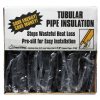
Frost King 5S10XB6 Foam Tubular Pipe Insulation, 6 ft
- Helpful for
- Adding insulation around appropriately sized, accessible plumbing in vulnerable cold areas.
- Why homeowners may find it useful
- Pipe insulation is a relatively simple preventive measure for exposed plumbing, but it should be correctly sized and should not be treated as a guarantee against freezing.
- Before choosing one
- Measure the outside diameter of the pipe and the total length you need, including bends.
- What it won't do
- Fix an already frozen, damaged, or burst pipe.
Sentinel Home may earn a commission from qualifying purchases at no additional cost to you. Products appear here because they may help with the problem described — not because of commission.
6. Reduce cold air reaching plumbing
Moving cold air freezes a pipe far faster than still cold air. Look for the obvious pathways near vulnerable plumbing: an open crawl space vent, a gap where a pipe passes through the rim joist, a missing garage door seal, a hole left behind by an old installation.
Sealing those obvious gaps is usually a straightforward, low-cost improvement that also helps your heating bill.
Never block combustion-air openings for a furnace, boiler, or water heater, and never close off required attic, roof, or mechanical ventilation. Those openings exist for safety and moisture control. If you are unsure whether an opening is required, leave it alone and ask a professional.
7. During extreme cold, let warm air reach the pipes
When temperatures drop well below freezing, opening the cabinet doors under sinks on exterior walls lets heated room air reach the supply lines behind them. It is a small, free step that helps most in the coldest stretch of a cold snap.
- Open cabinets under kitchen and bathroom sinks on exterior walls.
- Move cleaners, drain products, and any hazardous chemicals out of reach of children and pets first.
- Keep interior doors open to rooms with plumbing so heat can circulate.
- Never use an oven, grill, or unvented fuel-burning heater to warm a room. That is a carbon monoxide risk.
8. Understand when a small water flow may help
Moving water is harder to freeze than still water, and letting a faucet run slightly can also relieve pressure buildup if ice does begin forming. In severe cold, allowing a small flow at a fixture served by particularly vulnerable plumbing can help.
This is a judgment call, not a universal rule. It is not something to do all winter, it uses water, and on a well system it also cycles the pump. Reserve it for genuinely extreme cold and for the fixtures at the end of your most exposed runs.
9. Don't turn the heat off when you leave
Freeze damage during travel is common and expensive. A home does not need to stay at comfortable temperature while you are away, but it does need enough heat to keep the plumbing above freezing — public safety guidance generally recommends keeping the thermostat set no lower than the mid-50s Fahrenheit in freezing weather.
- Leave the heating system on and set to a safe minimum temperature.
- Open interior doors and vulnerable sink cabinets before you leave.
- Ask someone to check the house during extended trips or a hard freeze.
- If the home will be empty for a long stretch, ask a plumber whether shutting off and draining the water system is appropriate for your plumbing.
Working through your freeze-prevention list?
Sentinel keeps a short, considered list of freeze-protection options — what each one is for, and when you probably don't need it.
Buying nothing is a valid outcome. Many of these steps cost nothing at all.
Think a pipe may already be frozen?
Common signs during freezing weather:
- Little or no water flow at a fixture while the rest of the house works normally
- One bathroom or one sink affected, usually the one furthest along an exposed run
- Plumbing you already know runs through a garage, crawl space, attic, or exterior wall
- Visible frost or bulging on an exposed pipe
Do not use a torch, propane heater, or any open flame on plumbing. It is a fire risk, it can damage the pipe, and it can turn trapped water into steam pressure. Do not leave any heat source unattended near a pipe.
Keep the faucet open so water can move as the ice releases, know where your shutoff is, and stop immediately if you see a crack, a bulge, or any sign of water escaping. If the pipe is inside a wall, inaccessible, or already leaking, this is a plumber's job.
Sentinel is preparing a dedicated safe-thawing guide. Until it publishes, treat a suspected frozen pipe as a situation where stopping and calling a professional is a perfectly good decision.
When a plumber is the right call
- Vulnerable plumbing you cannot safely reach or inspect
- A home with known previous freeze damage
- Any active leakage, or a pipe that is cracked, bulging, or deformed
- Pipes that freeze repeatedly in the same place every winter
- A main shutoff you cannot find, cannot reach, or cannot turn
- Plumbing that would need to be rerouted, relocated, or repiped to solve the problem
- Well systems, pressure tanks, or fire-protection lines in unheated spaces
Sentinel's contractor experience is in early access. Until it opens, this routes to Sentinel's guidance and solutions for this system.
- Walk the house and list every unheated space with plumbing in it
- Locate and test the main water shutoff
- Disconnect, drain, and store outdoor hoses
- Protect accessible outdoor faucets and close any dedicated indoor shutoff
- Insulate reachable exposed supply lines, sized to the pipe
- Seal obvious cold-air gaps near vulnerable plumbing — never combustion or ventilation openings
- Plan which sink cabinets you will open during extreme cold, and move chemicals out of reach
- Decide your minimum thermostat setting for travel and cold snaps
Photograph it once, use it every winter. Take pictures of the main shutoff, each outdoor faucet, the accessible vulnerable pipes, the water heater and its label, and any place that has had freeze damage before.
Save those photos and notes in Sentinel Home. Next winter, and during any emergency, you are working from your own home's record instead of your memory.
- Are You Ready? 10 Things to Do Before Fall & WinterThe full seasonal walkthrough that freeze prevention belongs to.
- Water Heater Leaking From Bottom?If you find water near the heater while winterizing, start here.
- Why Is My Heating Bill So High?The same cold-air gaps that threaten pipes also raise heating costs.
Make winter prep part of your home's history
Save your plumbing details, shutoff location, winterizing notes, maintenance, and repairs in Sentinel Home so you don't start from scratch next winter.
Sentinel Home is preparing for launch. Early access is free to join.
Frequently asked questions
What temperature causes pipes to freeze?
There is no single guaranteed number. Water freezes at 32°F, but a pipe's risk depends on how exposed it is, how long the cold lasts, whether cold air is moving across it, and how much heat reaches it. Pipes in unheated or exterior spaces can freeze during a sustained freeze even when the house feels comfortable inside.
Should I leave faucets dripping in cold weather?
Allowing a small flow at fixtures served by particularly vulnerable plumbing can help during severe cold, because moving water is harder to freeze and a slightly open faucet relieves pressure if ice begins to form. It is not required all winter, it uses water, and it is not a substitute for insulating and protecting exposed pipes.
Should I open the cabinets under my sinks?
During extreme cold, opening cabinet doors under sinks on exterior walls lets heated room air reach the supply lines. Move cleaners and other hazardous products out of reach of children and pets before you do.
Does pipe insulation prevent freezing?
Insulation slows heat loss and reduces how quickly a pipe reaches freezing temperature, which meaningfully lowers risk on exposed lines. It does not add heat and does not make a pipe freeze-proof in prolonged extreme cold, and it only works when it is sized correctly and covers the pipe fully.
Should I turn my heat off when I'm away in winter?
No. A home needs enough heat to keep plumbing above freezing while you are away. Public safety guidance generally recommends keeping the thermostat no lower than the mid-50s Fahrenheit during freezing weather, and having someone check the home during longer trips.
Which pipes freeze first?
Usually the most exposed ones: outdoor faucets with hoses attached, plumbing in unheated garages, crawl spaces, and attics, and supply lines inside exterior walls or closed sink cabinets.
What should I do if I think a pipe is frozen?
Leave the affected faucet open so water can move once the ice releases, know where your main shutoff is, and never use an open flame or an unattended heat source. If the pipe is inside a wall, unreachable, cracked, bulging, or already leaking, shut the water off if you safely can and contact a plumber.
Sentinel guidance is written in-house and grounded in public-safety and government technical references.
Make this part of your home's permanent record
Sentinel Home keeps your plumbing details in one place — where the main shutoff is, which pipes are exposed, what you insulated, and what a plumber has already fixed. Next winter starts from your own record instead of memory.
Sentinel Home is in early access. Join the list to be notified when you can add your equipment to your home record.
Ask Sentinel AI about your home.
Ask Sentinel AI for personalized guidance based on your home's systems, equipment, maintenance history, and repair needs.