
Furnace vs. Heat Pump
Two very different ways to heat a house. The right answer depends on your climate, your fuel prices, and how long you plan to stay.
A furnace creates heat by burning fuel; a heat pump moves heat and handles cooling too. In mild winter climates with average electricity prices, a heat pump usually costs less to run. In severe winters with inexpensive natural gas, a high-efficiency furnace often wins — and a dual-fuel pairing captures both advantages.
Why it matters
This is one of the few home decisions that locks in an operating cost for two decades. The equipment you choose determines your winter bills, your maintenance rhythm, and whether combustion safety stays part of your home's routine.
- This is a 15-to-25-year decision that sets your heating bill for the life of the equipment.
- Replacing an aging furnace and air conditioner together is when a heat pump makes the most financial sense, because one system replaces two.
- Combustion heating carries carbon monoxide responsibilities a heat pump does not.
- Heat pumps run roughly twice the annual hours, so filters, blowers, and wear items arrive sooner.
- Comfort differs: furnaces deliver short bursts of hot air, while heat pumps run longer at gentler temperatures, which many homeowners find steadier once they expect it.
How they compare
- Furnace. Strong, fast heat unaffected by outdoor temperature; often the lower operating cost where gas is cheap; 15–25 year life; heats only, so you still need separate cooling equipment.
- Heat pump. Delivers more heat energy than the electricity it consumes; one system for both seasons; no combustion indoors; capacity falls in extreme cold, and cold-climate models cost more up front.
- Dual fuel. Heat pump for mild conditions, furnace below the balance point — usually the practical answer in cold climates, though it means maintaining two heating systems.
Lifespan and maintenance differ as much as cost. A furnace sits idle for half the year; a heat pump works year-round, so filter discipline and annual service matter more.
What you should do
- 1
Pull twelve months of bills
Compare your own gas and electric usage and rates rather than national averages. Once you see your real winter consumption, the decision usually becomes obvious.
- 2
Check what you already have
An existing flue, available gas service, panel capacity, and the age of your air conditioner all change the math significantly.
- 3
Ask for a load calculation
Sizing by square footage alone leads to short-cycling, humidity complaints, and premature wear. Insist on a room-by-room calculation before accepting a quote.
- 4
Plan for backup heat if you go electric
In cold regions, confirm the balance point, what supplies heat below it, and what that backup costs per hour before signing anything.
- 5
Keep the shared parts healthy
Both systems use the same filter, blower, and ductwork, and both benefit from working carbon monoxide alarms while any fuel-burning appliance remains in the house.
Common mistakes
- Choosing based on a neighbor's system instead of your own fuel prices, climate, and insulation.
- Oversizing equipment, which causes short cycles, uneven rooms, and a clammy house in summer.
- Assuming a heat pump cannot handle cold — or that any heat pump can.
- Dropping carbon monoxide alarms because the new system does not burn fuel; water heaters, ranges, and fireplaces still do.
- Replacing only one half of an aging heating-and-cooling pair, which forfeits the best chance to consolidate.
- Comparing quotes on price alone, when ductwork, sizing, and installation quality affect performance more than the brand on the cabinet.
- Forgetting to check available rebates and utility incentives, which can shift the economics of an electric system considerably.
Sentinel Pro Tip
If your furnace is under twelve years old and working well, you likely do not need to replace anything yet. The best time to switch is when the equipment is already due — that is when the incremental cost of a heat pump is smallest and the payback is fastest.
Frequently asked questions
Do heat pumps work in cold weather?
Modern cold-climate heat pumps produce useful heat well below freezing, though capacity falls as temperature drops. Many homes in cold regions pair one with a backup heat source.
Which is cheaper to operate?
It depends on local electricity and gas prices. Heat pumps are often cheaper in mild climates; gas furnaces frequently win where gas is inexpensive and winters are severe.
How long does each system last?
Gas furnaces commonly run 15 to 25 years. Heat pumps typically last 12 to 18 years because they operate year-round for both heating and cooling.
Can I have both?
Yes. A dual-fuel setup uses the heat pump in mild conditions and switches to the furnace when temperatures drop below an economic balance point.
Sentinel Homeowner Essentials
Helpful products commonly used by homeowners and professionals.
Homeowners performing this maintenance commonly use the following tools.
Spending $25–$75 today on preventive maintenance can often help homeowners avoid repairs that cost hundreds or even thousands of dollars later. Sentinel Home recommends products that support long-term home protection — not impulse purchases.
Combination Smoke & Carbon Monoxide Alarm
Recommended for any home with combustion heating or an attached garage.
MERV 13 Pleated HVAC Air Filter (6-Pack)
Useful for routine filter changes — protects the blower and coil while keeping airflow healthy.
ecobee Smart Thermostat Enhanced
Useful for schedules and setbacks, which reduce run time without sacrificing comfort.
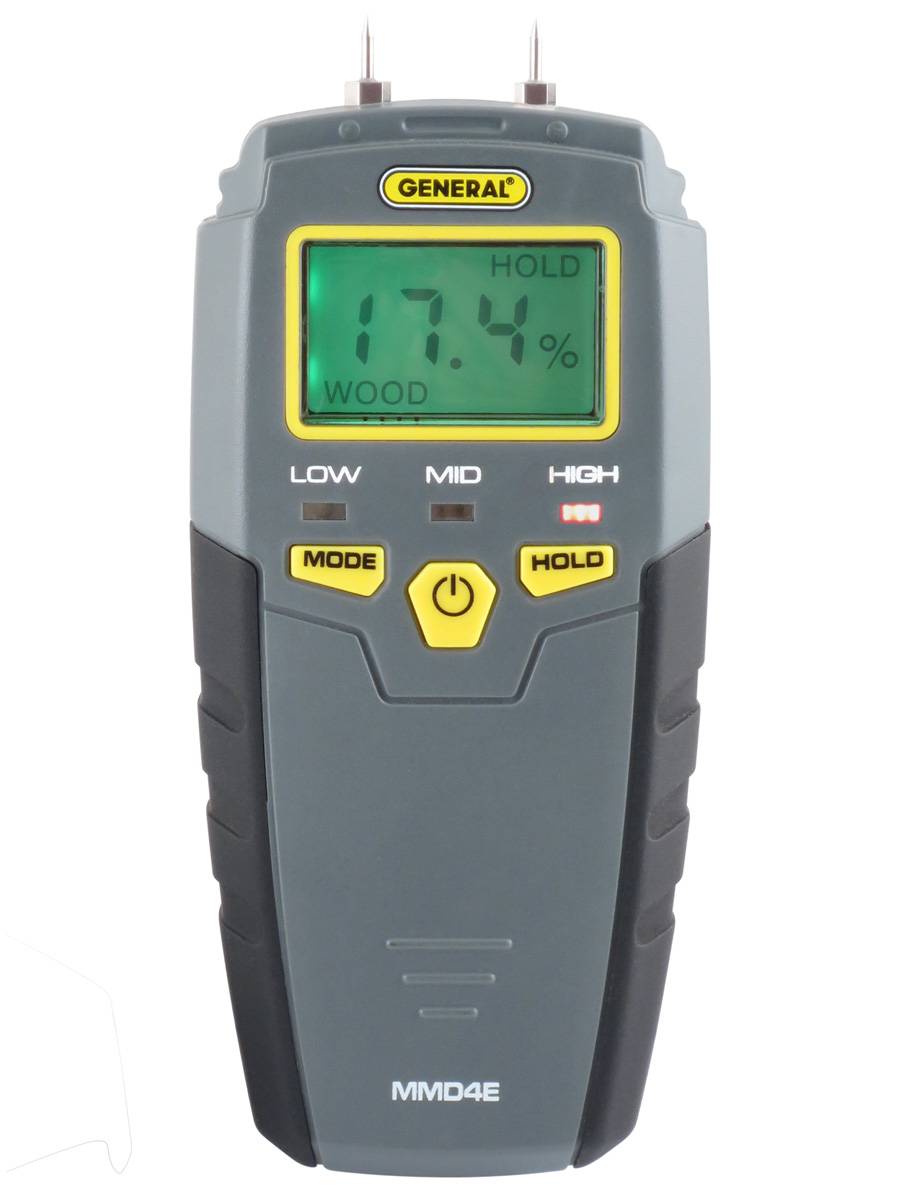
General Tools Moisture Meter
Helpful for confirming whether indoor moisture is humidity or an actual leak.
If you're looking for the tools, parts, or maintenance products mentioned in this guide, visit the Sentinel Solutions Center. We only recommend products that we believe are genuinely helpful for homeowners and professionals.
Ask Sentinel AI about your home.
Ask Sentinel AI for personalized guidance based on your home's systems, equipment, maintenance history, and repair needs.
Smart Capture
Record equipment details in seconds.
Asset Vault
Every system, manual, and warranty in one place.
Repair Guide
Understand the problem before you call anyone.
Maintenance Reminders
Well-timed prompts for seasonal work.
Replacement Forecast
See what is coming before it fails.
Home Health Score
One number for the state of your home.